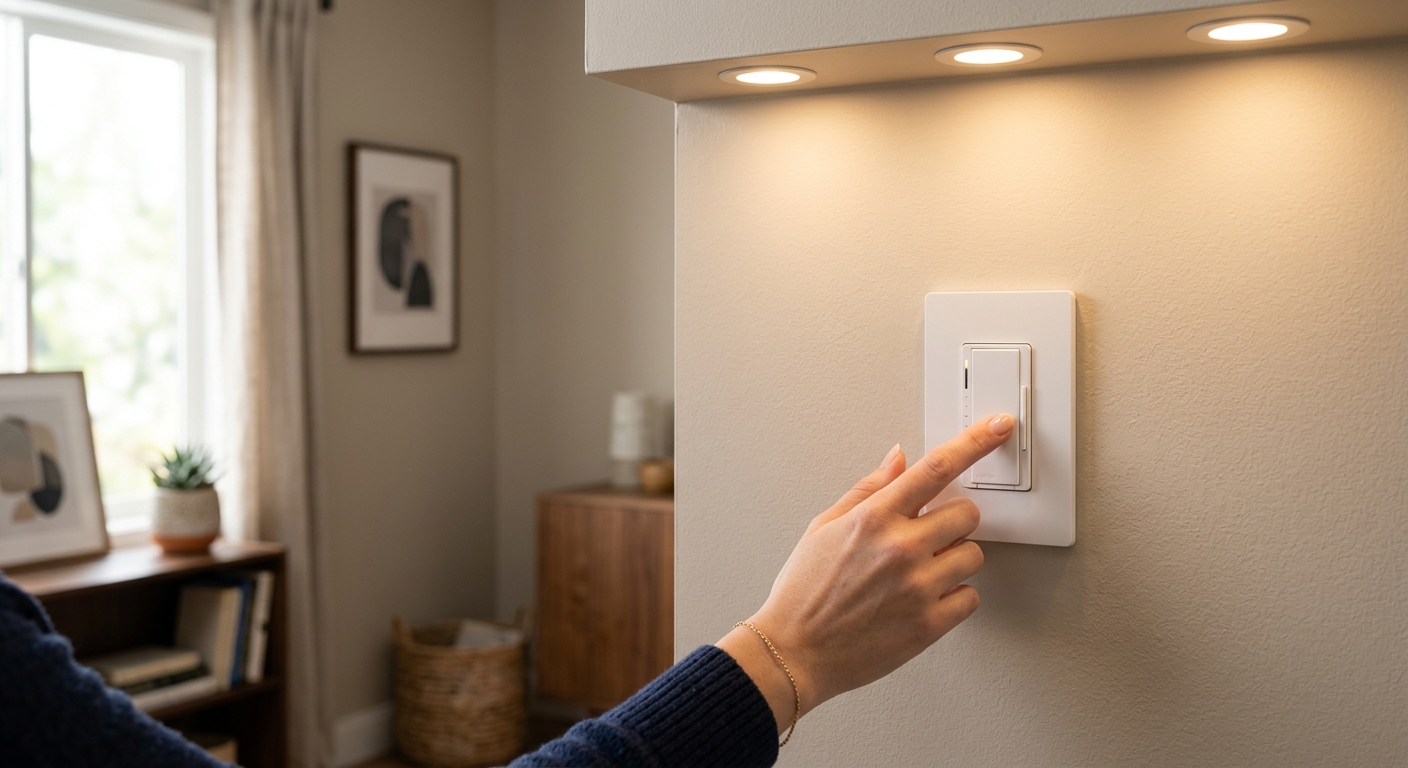
You switched to LED bulbs to save money, but now they flicker, hum, or dim unevenly. The culprit is almost always an incompatible dimmer switch, and fixing it costs less than $20.
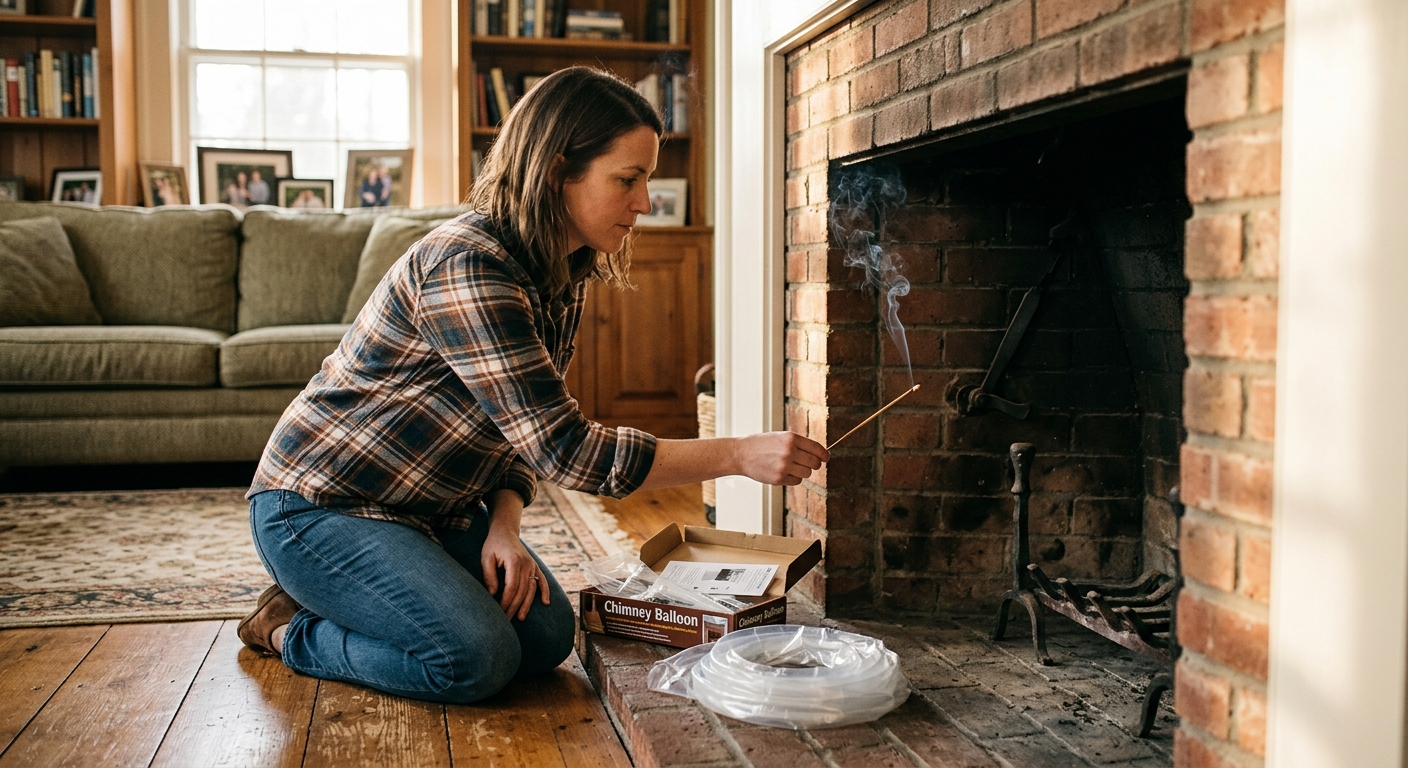
Most homeowners think of their fireplace as a cozy feature, not a costly liability. A drafty fireplace can silently drain hundreds of dollars in heating and cooling costs every year, and most people never connect the problem to their energy bills.
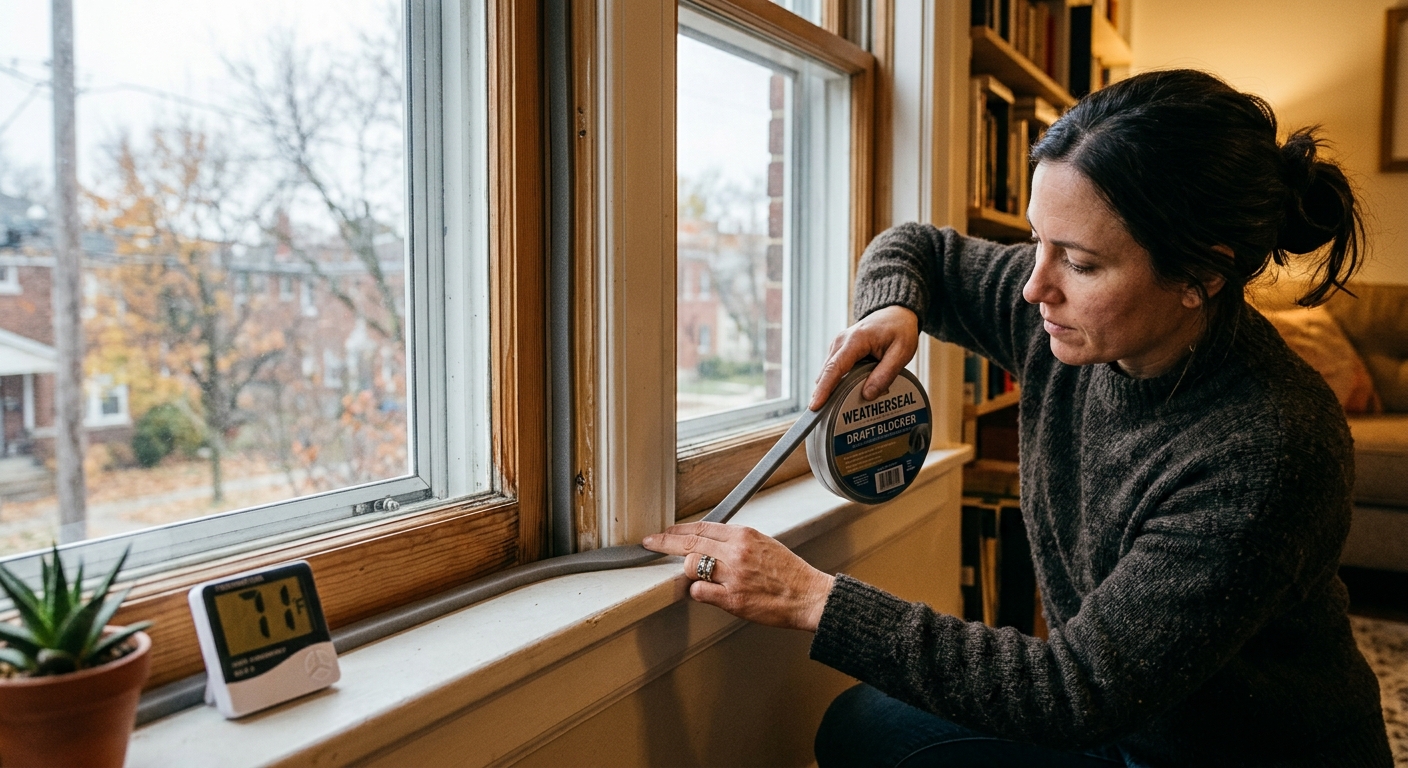
Your thermostat reads 70 but you’re still reaching for a blanket – and the problem isn’t in your head. Cold surfaces, drafts, and humidity steal comfort even when the air temperature is technically warm, and fixing them is easier than you think.
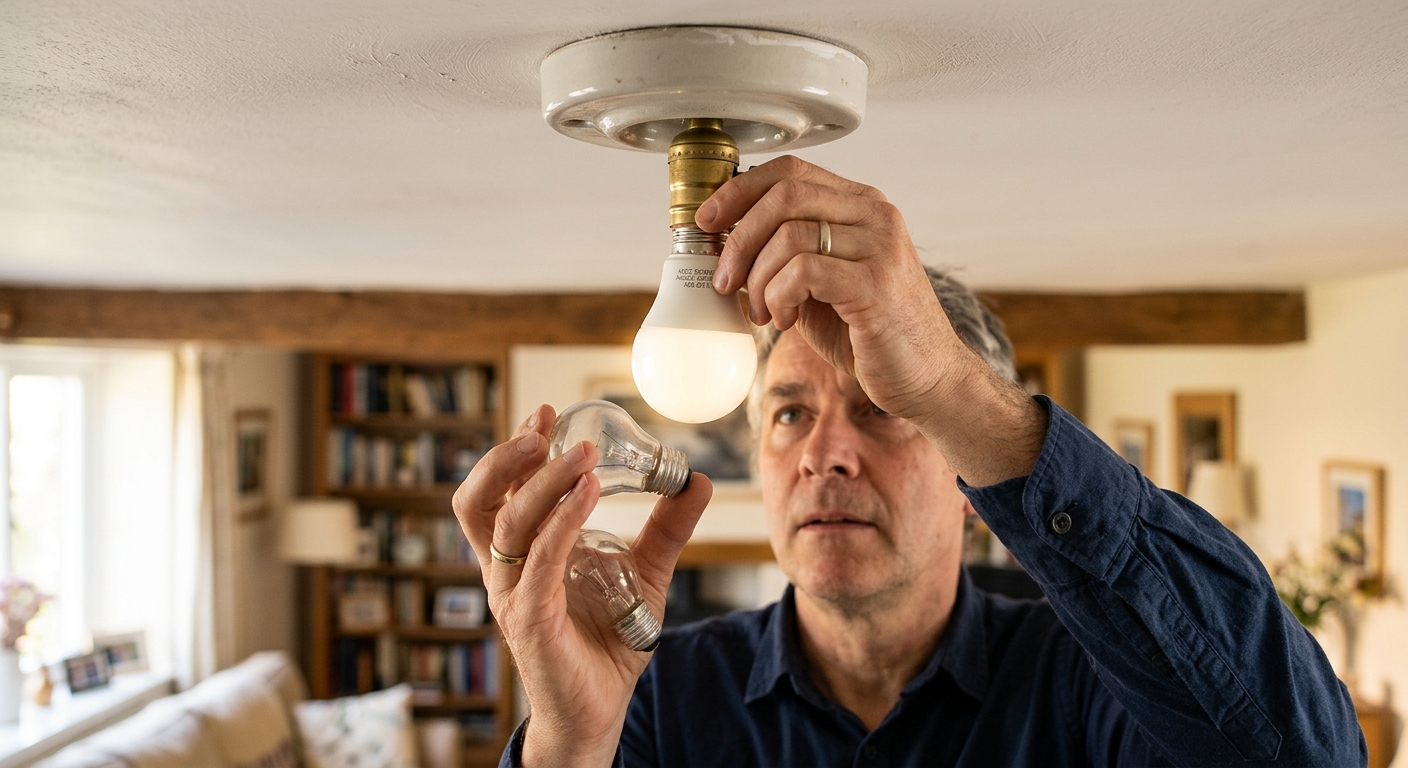
Most homeowners underestimate how much their lighting costs them each month, especially if older incandescent or CFL bulbs are still in the mix. Swapping to LEDs is one of the rare home upgrades that pays for itself in months, not years, and requires zero tools or expertise.
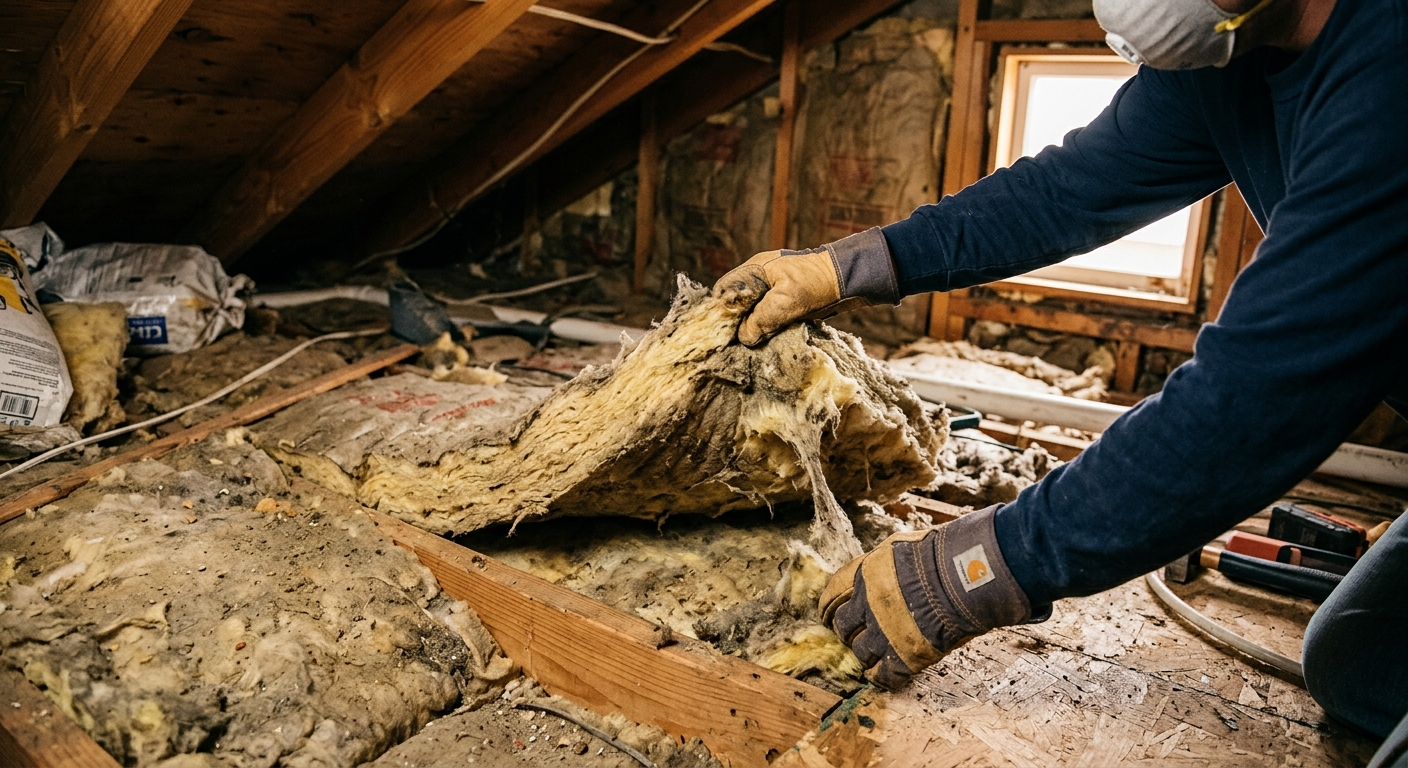
Insulation does not last forever, and aging, damaged, or undersized insulation is one of the most overlooked reasons homes are uncomfortable and expensive to heat and cool. This guide shows you how to assess what you have, recognize the warning signs, and decide whether to repair, supplement, or fully replace.
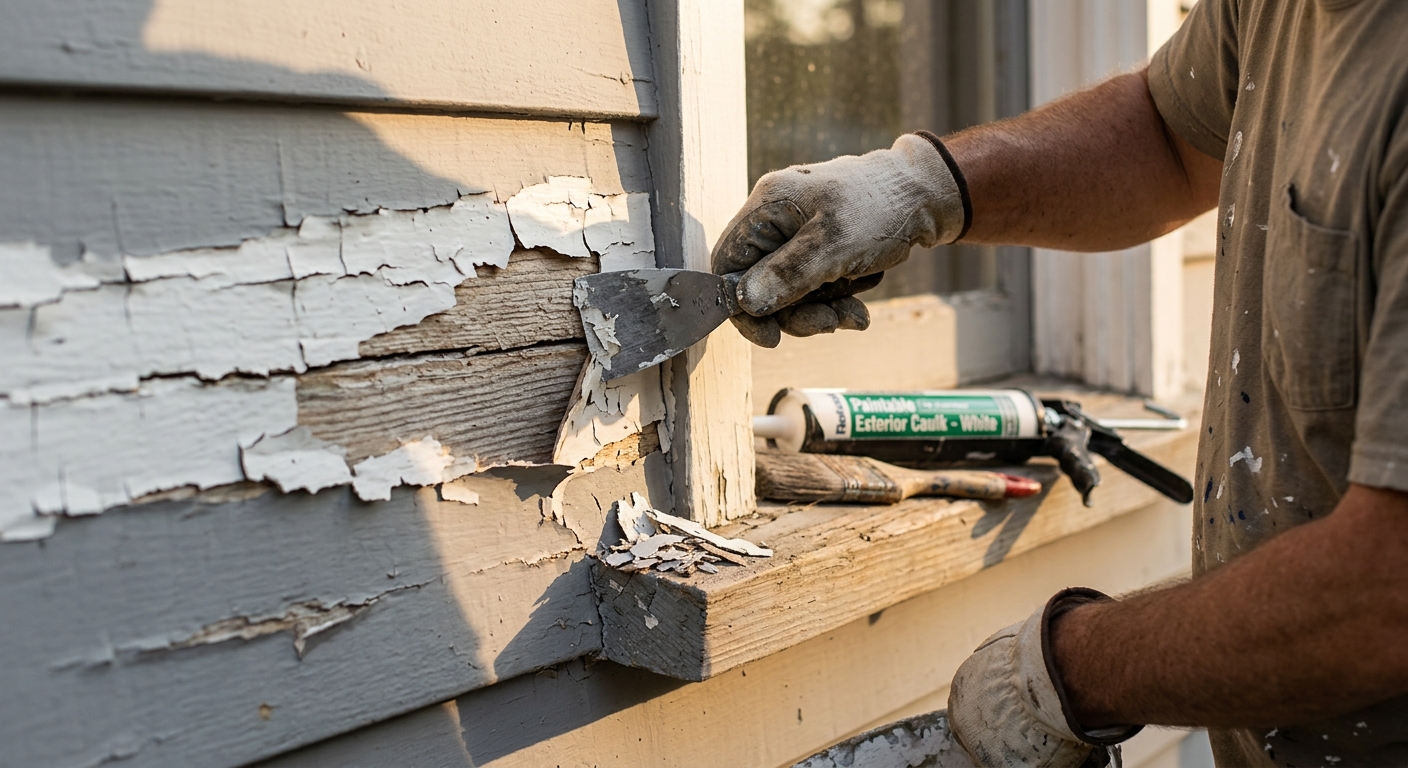
Exterior paint that peels within a few years is almost always a prep failure, not a paint failure. Learn the real causes behind peeling and the step-by-step prep process that gives your next paint job a decade or more of staying power.
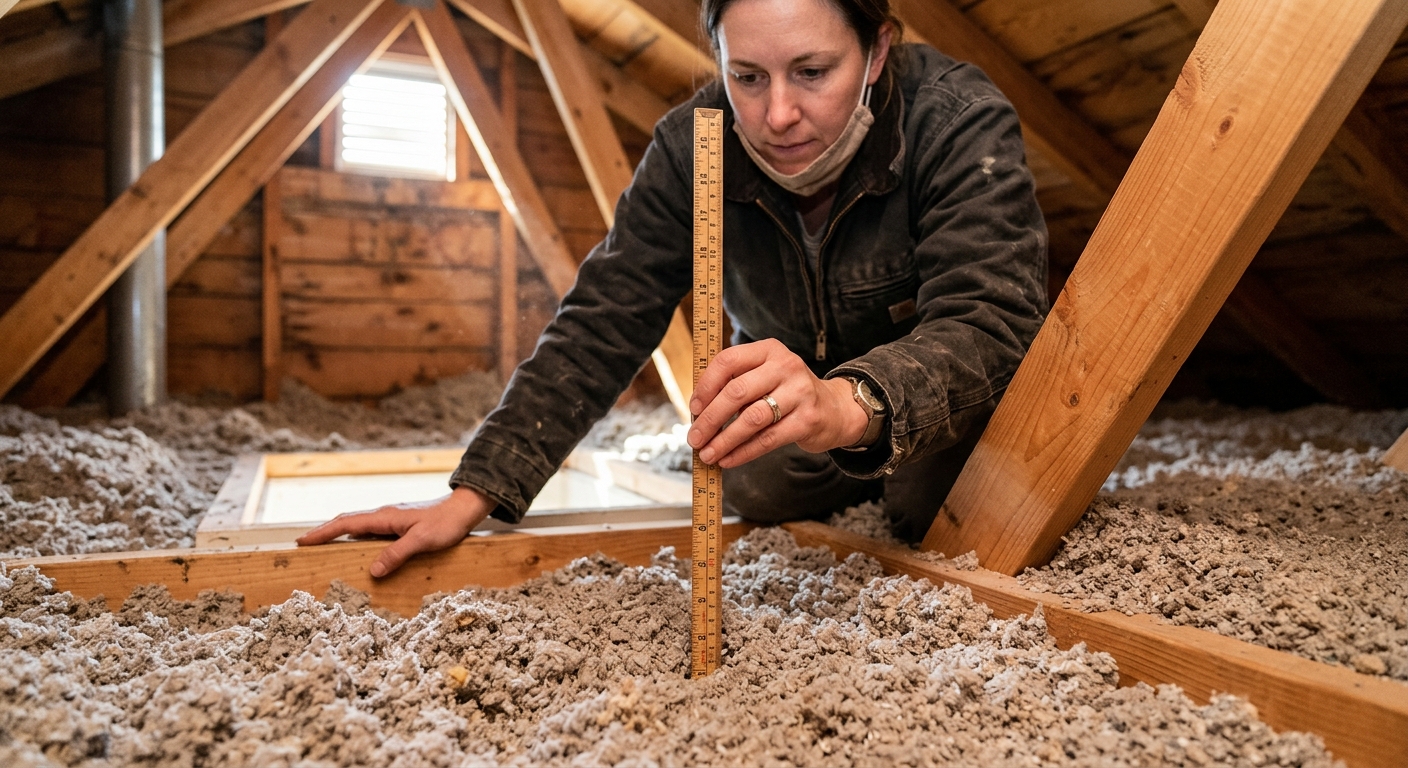
Most homes lose 25 to 30% of their heating and cooling energy through an under-insulated attic, yet most homeowners have never once looked up there to check. This guide shows you how to measure what you have, compare it to DOE recommendations for your climate, and decide whether adding more insulation makes financial sense.
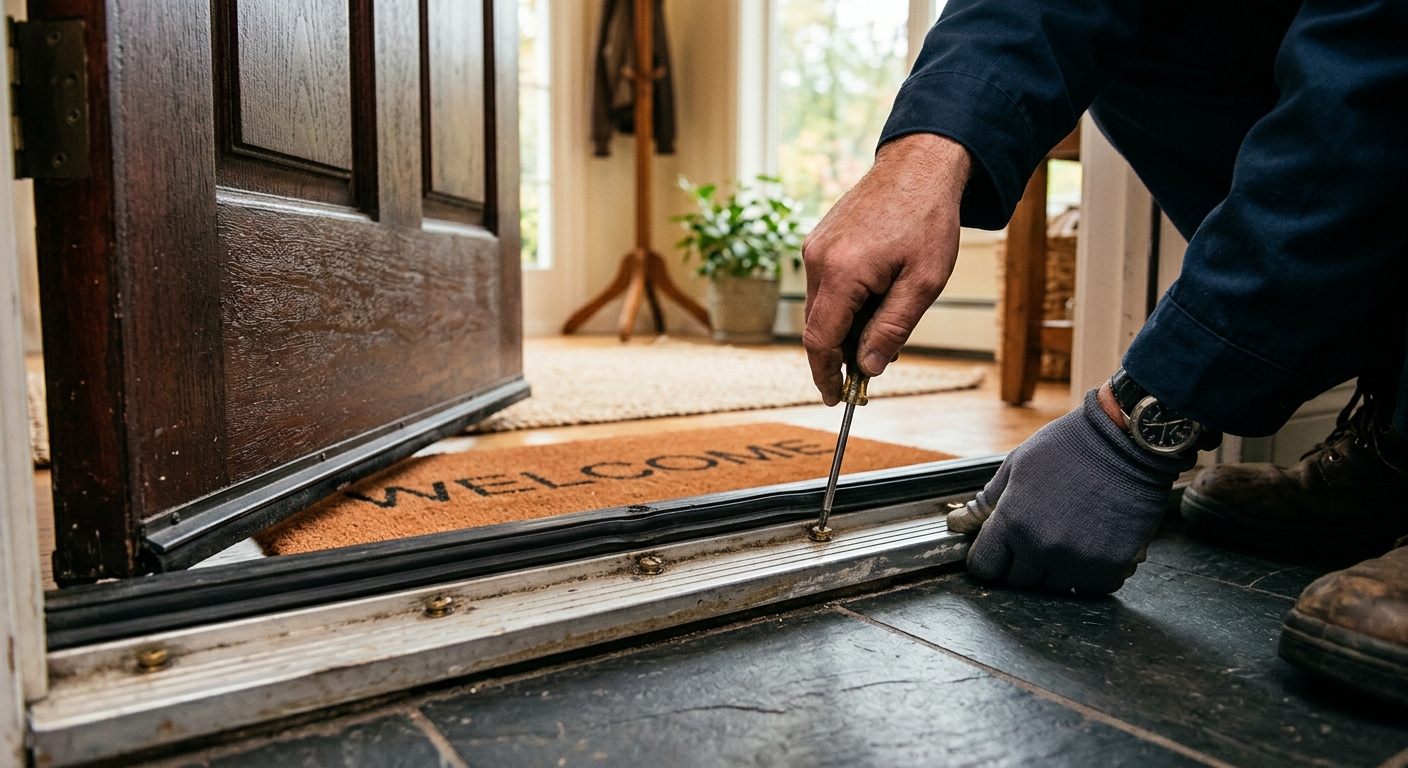
A drafty exterior door is one of the most common and costly air leaks in any home, quietly inflating your heating and cooling bills year-round. In as little as 15 minutes and with no special tools, you can seal the gaps and feel the difference the same day.
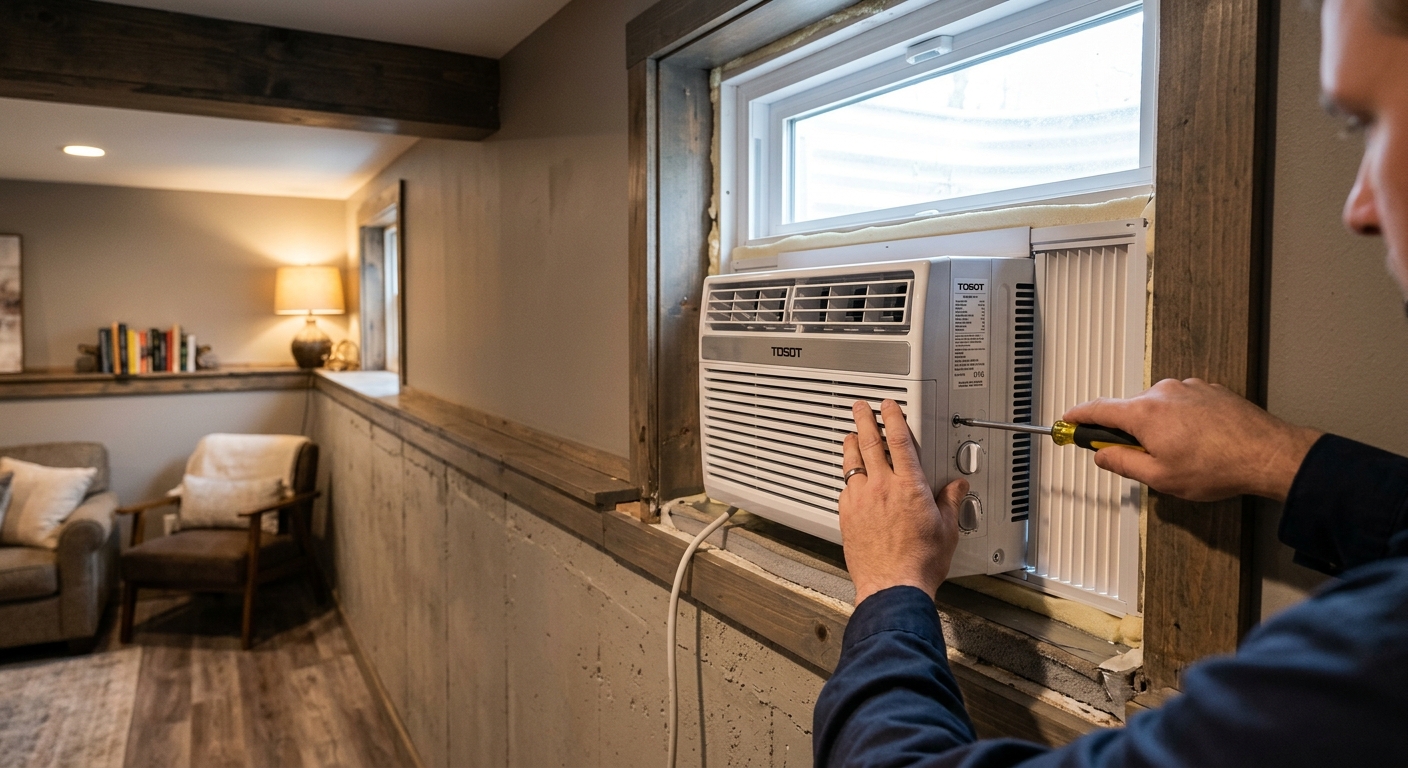
Finished basements are notoriously tricky to cool because most central HVAC systems were never designed to reach them efficiently. The good news is that you can achieve genuine comfort with targeted, ductwork-free solutions that cost a fraction of a full HVAC extension.
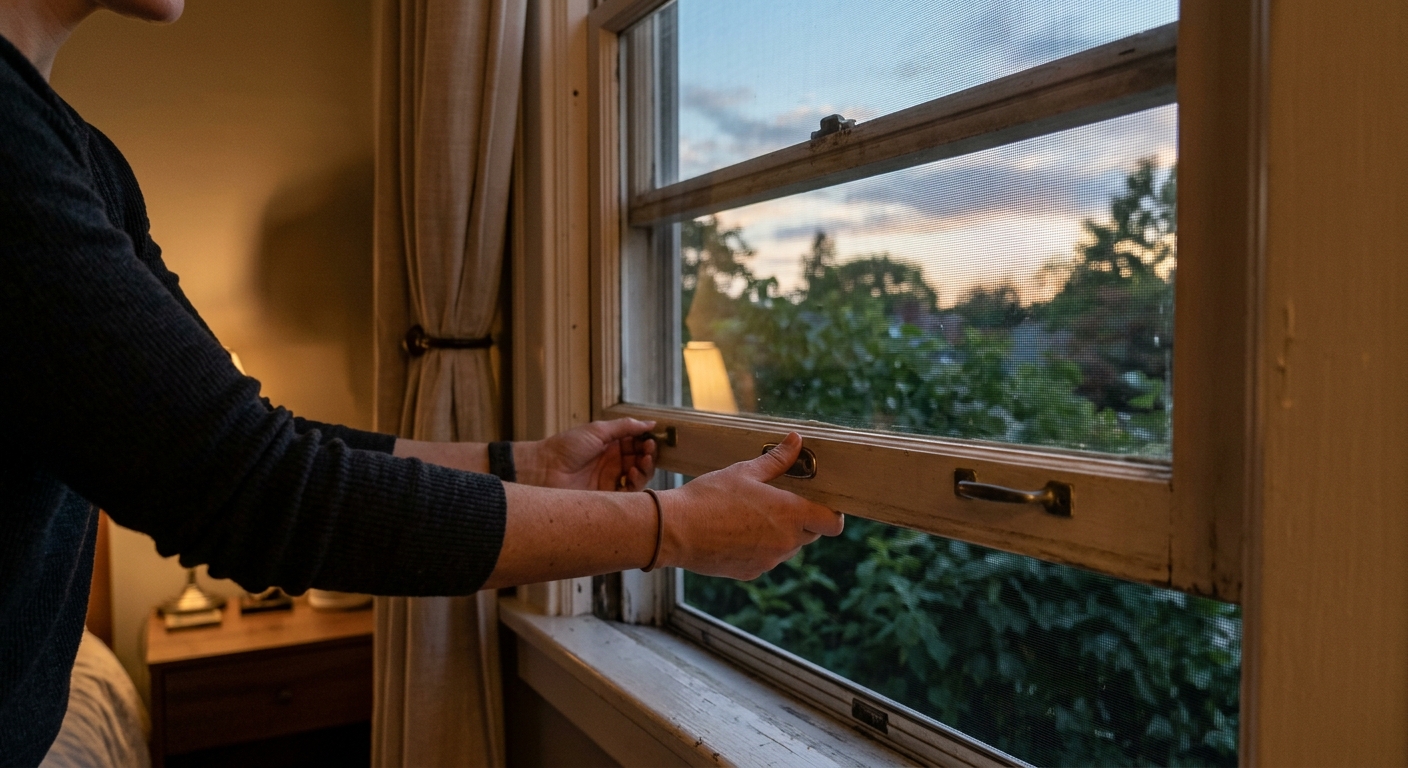
Running your AC all night drives up energy bills, but most homes can shed heat naturally once the sun goes down. A smart window-opening strategy combined with simple airflow techniques can drop indoor temps by 10 to 15 degrees overnight without touching your thermostat.